From single-family to multifamily: Diana Mosher offers a roadmap for interior designers

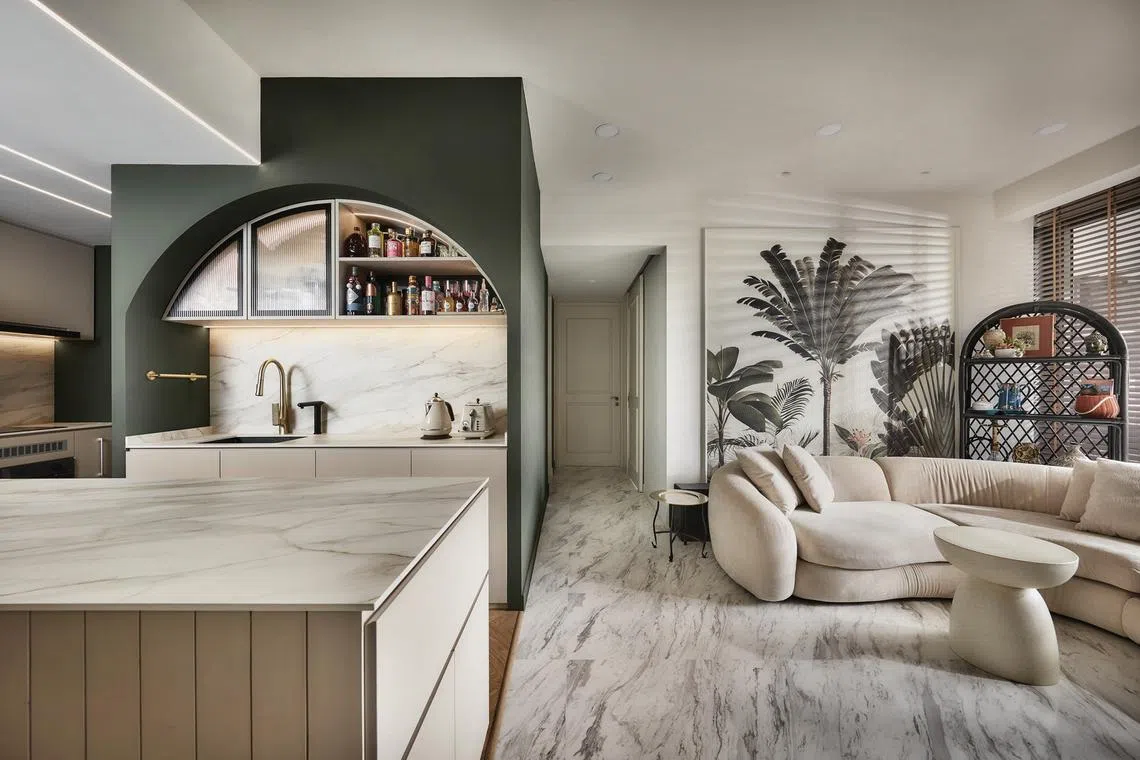
Designs from Mosher, including, left, a studio apartment that incorporates a wall bed behind a sofa. Images courtesy of Diana Mosher.

By Diana Mosher
If you’ve been considering a move to multifamily design, this could be the ideal time. Industry watcher Fannie Mae forecasts 371,000 apartment construction starts in 2025 with 396,000 starts in 2026. That’s good news for interior designers. That means more projects to bid on. At the same time, there are also many renovations entering the development pipeline including a massive number of office-to-apartment conversions being planned coast to coast.
For interior designers with a background in residential or commercial projects, branching into multifamily presents a new opportunity and an interesting challenge. Multifamily design blends elements from both sectors. Here’s how to position yourself effectively and deliver value to multifamily developers and property owners.
Understand developer priorities
Multifamily developers think differently than homeowners or workplace clients. Their top concerns are return on investment, long-term maintenance and competing with other for-rent housing product (aka “the comps”) in the vicinity. An apartment community must appeal to the resident when they first sign the lease and continue to do so when it’s time to renew the lease.
These resident retention goals are frequently accomplished through hospitality-inspired amenity spaces. Designing a variety of spaces that encourage social connections is also super important. Pet amenities, wellness and biophilic features, clubhouses with luxe kitchens that can be rented out for private events and fully loaded co-working spaces are currently trending. So are flex spaces that can accommodate a variety of programming.
To do well in multifamily, the design team must strike a balance between aesthetics and value engineering. Designers must be comfortable specifying materials that are cost-effective, durable and easy to maintain.
Design for demographics
Unlike designing a home for one family or an office for a specific brand, multifamily projects target broader demographic segments like Gen Z, Millennials, families or Baby Boomers who are downsizing. Research the target market for each development. A student housing project near a university will differ greatly in style and amenities from a luxury condo building in an urban core. Tailor your design to meet the lifestyle of the end user.
V Starr, the interior design firm founded by Venus Williams in 2002, initially focused on luxury homes for individuals. They later expanded to larger-scale residential development projects. One of their early ventures into the multifamily space was designing the interiors of the Modera Coral Springs apartment community in Florida. Visit their website to see their multifamily portfolio.

Master the wow factor
Multifamily interior designers frequently work closely with the marketing team on curb appeal and other visual elements of the development project. Branding and interior design are woven together for a cohesive resident experience. Common areas like lobbies, lounges, fitness centers and rooftop decks are critical in multifamily design.
These spaces drive leasing and sales and often form the first impression (aka the “wow factor”) of the property. Approach them as branded experiences. Learn how to create visual impact on a budget, and don’t overlook the importance of durable finishes that can withstand heavy use.
Learn the codes
You’ll often be working with developers, architects and general contractors on tight schedules and budgets. Understanding building codes (especially ADA requirements), fire regulations and energy standards is key. Designers who can speak the same “language” as the development team are more likely to earn their trust.
Mary Cook Associates has focused on multifamily for nearly 35 years. Founder and president Mary Cook said, “Multifamily is a much more complex process than residential. You’re designing for 700 residents’ heavy duty use at an apartment community. It’s not like when you’re designing for Mrs. Hale’s living room and she has a cleaning lady once a week.”
You have to think about the durability of every element, the suitability and it has to be code compliant. The chairs have to be stackable and movable. “When somebody comes into the game with a signature look and a marquee name, we do get called in to fix those projects and finish them because they don’t have access to the resources for commercial grade furniture and furnishings that we do,” said Cook.
Build relationships
Networking is essential in this niche. Attend real estate development conferences and industry mixers where you can meet multifamily stakeholders. Collaborate with architects who are already in this space. Consider offering design packages for model units or staging services for new builds. These smaller projects can open doors to larger opportunities.
If you haven’t worked on multifamily yet, highlight similar experience. Update your website with projects that demonstrate your ability to handle scale, budget and efficiency. By understanding what developers and property owners value most, residential and office designers can successfully pivot into this growing and rewarding market.
Diana Mosher is an interior designer in New York working on commercial and residential projects. She also offers design services for apartment developers and property managers. Diana has been writing about multifamily topics since 2005.
link