Interior Insights: Is your Interior Toxic? Game-Changing Materials Reshaping Interior Design’s Future
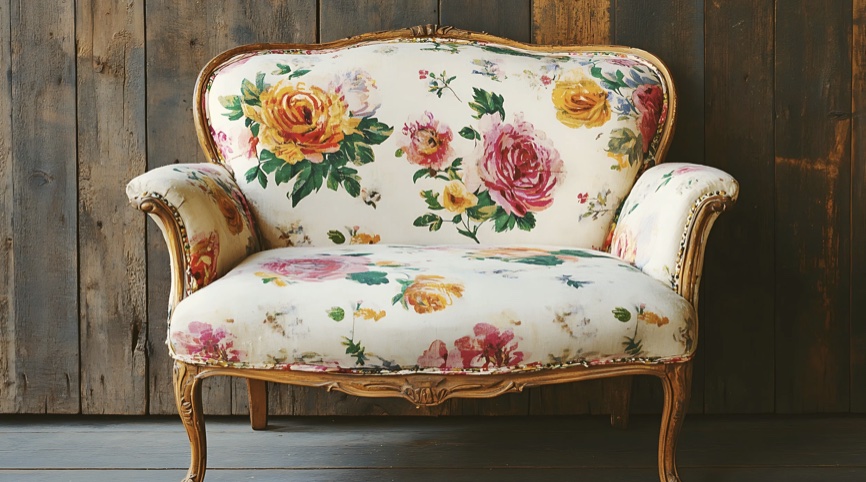
(Image courtesy of Texintel)
Discover how natural fibers, living materials, and craft innovation are creating healthier homes while eliminating toxic chemicals from interior design.
The interior of your home or commercial space contains many secret, hidden ingredients. As awareness grows around the toxic chemicals lurking in our homes—where indoor air often proves more polluted than busy London streets—designers, manufacturers, and conscious consumers are demanding better solutions.
At the recent Future Fabrics Expo panel discussion, moderated by Carole Annet from Country and Town House, leading voices in sustainable design revealed how innovative materials and renewed craftsmanship are transforming home furnishings. From upholsterer Delyth Fetherstone Dilke’s campaign against toxic flame retardants to bio-designer Chris Bellamy’s living algae installations, the conversation illuminated both urgent challenges and remarkable opportunities ahead.
The statistics are sobering, in a standard British home, flame retardant chemicals comprise 20% of sofa volume—offering negligible fire safety benefits while posing serious health risks including infertility and cancer.
“Diving deep into the materials and chemicals used across the décor sector to determine their collective environmental impact has sparked unprecedented innovation across the supply chain.”
Natural Fibers Reclaim Their Rightful Place
The most immediate opportunity lies in rediscovering materials our ancestors used successfully for centuries. Historical furniture reveals ingenious solutions: Northern French chairs stuffed with seaweed, Finnish pieces from the 1950s filled with shredded flax paper during wartime shortages, and British furniture traditionally filled with horsehair.
Wool emerges as a particular champion. With its inherent flame-resistant properties, fabrics containing over 75% wool often meet fire safety standards without chemical additives. Hemp offers exceptional flame retardancy, while coconut fiber provides bounce, and wool delivers density to prevent furniture “bottoming out.”
William Knight from Material Matters emphasizes that Britain possesses extraordinary natural resources and craftsmanship capabilities that remain woefully underutilized. The challenge isn’t availability—it’s changing perceptions and manufacturing processes to embrace these time-tested solutions.
Living Materials Create Dynamic Relationships
Perhaps the most revolutionary development comes from bio-design, where materials themselves become active participants in our homes. Chris Bellamy’s work with bioluminescent algae represents a fundamental shift from static to dynamic materials that respond, adapt, and even communicate.
These living materials challenge our obsession with perfection. The algae Bellamy works with maintain circadian rhythms—some days they’re energetic, on others they’re less responsive. This variability, traditionally viewed as a manufacturing flaw, becomes a feature that encourages deeper connection between users and their environment.
Living willow furniture and mycelium-based leather alternatives demonstrate how materials can grow, heal, and adapt over time. This approach mirrors indigenous communities’ resourcefulness—using banana leaves as plates or sheep’s wool for lampshades based on immediate availability and function rather than manufactured perfection.
Craft Renaissance Drives Material Innovation
The panel consistently returned to craft as both solution and philosophy. When designers and makers understand their materials intimately—testing, blending, and adapting based on specific properties—they can create superior products without chemical dependencies.
Simone Suss from Studio Suss notes how working directly with craftspeople like Stuart Scott Furniture creates unique pieces tailored to specific spaces and clients. This relationship-based approach yields furniture that clients “keep forever” because each piece carries a story and represents collaborative creativity.
The food industry provides an instructive parallel. Chefs constantly taste, adjust, and adapt recipes based on ingredient variations—adding more seasoning when chickpeas prove saltier than expected. This responsive, skilled approach could revolutionize furniture manufacturing beyond current production-line standardization.
Legislative Change Accelerates Market Transformation
Regulatory shifts create unprecedented commercial opportunities. Delyth Fetherstone Dilke’s recent parliamentary meeting with the Department of Business and Trade suggests imminent changes to UK fire safety legislation. Following the EU model—testing furniture with cigarettes rather than Bunsen burners—could eliminate needs for toxic chemicals whilst maintaining safety standards.
This regulatory evolution positions early adopters advantageously. Furniture manufacturers transitioning to natural fiber compositions now will lead markets as legislation changes and consumer awareness grows. The hesitancy many manufacturers feel about promoting chemical-free furniture stems from current regulatory constraints rather than consumer demand.
As Simone Suss observes, clients generally embrace sustainable choices when they make economic and aesthetic sense. The regulatory environment increasingly supports these preferences.
Storytelling Transforms Commercial Viability
Material innovation succeeds when compelling narratives accompany technical advances. All Day Goods in East London exemplifies this approach, creating knife handles from recycled plastic while celebrating material origins through strategic collaborations. Their partnership with Maldon Sea Salt produced green and white knife handles matching the salt company’s packaging—creating emotional connections that transcend pure functionality.
This storytelling approach addresses the consumer curiosity Simone Suss identifies as essential for market transformation. When designers and consumers understand material provenance, production methods, and social impacts, they make more informed choices that support sustainable innovation.
Material Matters’ success stems partly from making technical information digestible through podcasts and events that highlight human stories behind manufacturing. Rather than overwhelming consumers with carbon footprint calculations, these narratives reveal the craftspeople, processes, and innovations that create better products.
Building Tomorrow’s Sustainable Interiors
These material innovations represent far more than alternative products—they embody a fundamental shift towards regenerative design thinking. By embracing natural fibers, living materials, traditional craft knowledge, supportive legislation, and compelling storytelling, the interior design industry can create homes that enhance rather than compromise human and environmental health.
- The urgency is clear: our homes shouldn’t be more toxic than city streets.
- The solutions exist: from abundant British wool to innovative mycelium alternatives. The momentum builds: through legislative change, consumer awareness, and industry leadership.
These innovations don’t just offer sustainable alternatives—they promise homes that breathe, respond, and evolve alongside their inhabitants. In choosing these materials and methods, we’re not just furnishing spaces; we’re cultivating relationships with our environment that honor both human creativity and natural wisdom.
www.texintel.com
link